
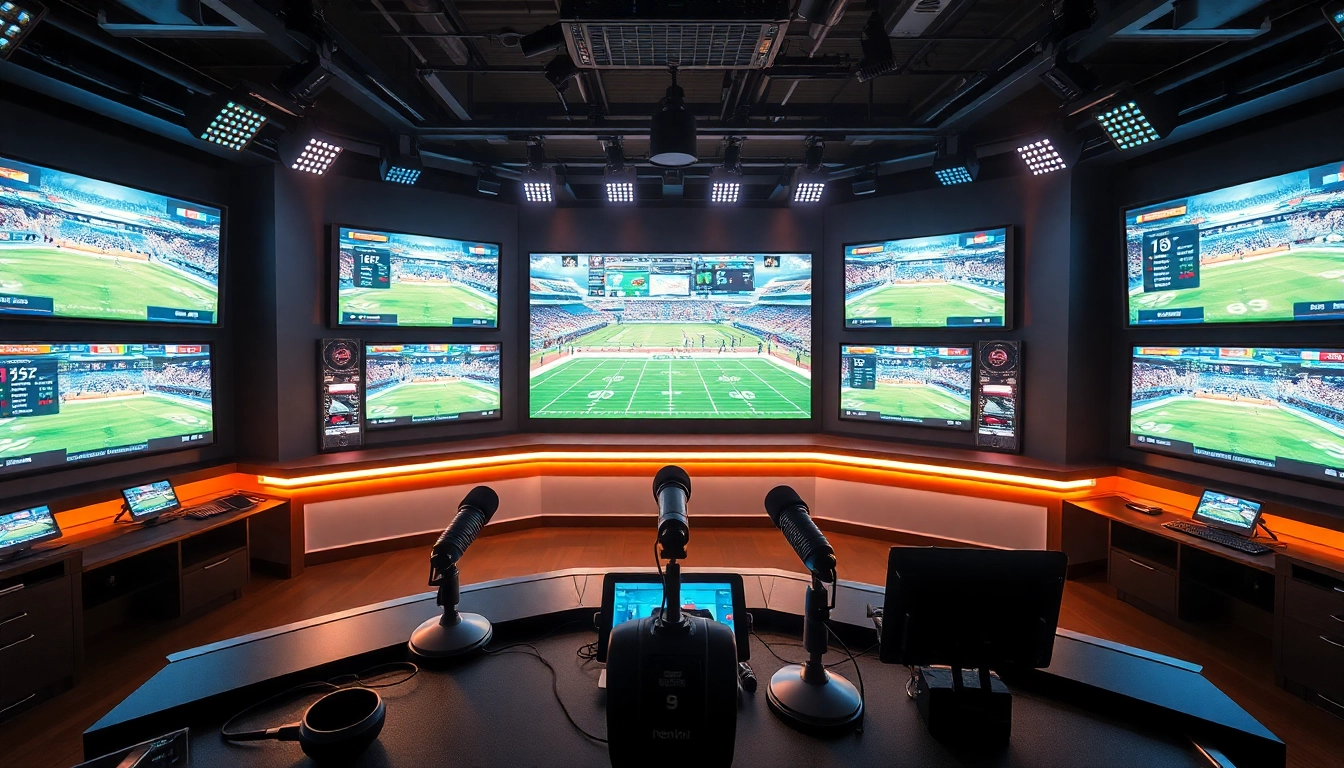
Understanding Sports Broadcasting: An Overview
The realm of Sports Broadcasting plays a pivotal role in shaping how fans connect with their favorite teams and athletes. This industry encompasses the transmission of sports events via various media, boasting a rich history and a critical influence on today's entertainment landscape.
Definition and Importance of Sports Broadcasting
Sports broadcasting refers to the dissemination of sporting events through television, radio, and streaming platforms. It serves as a crucial link between athletes and fans, elevating viewer experiences by providing access to live sports, analysis, commentary, and highlights. Additionally, it generates significant revenue for leagues, teams, and broadcasters through advertising and sponsorship, making it an economic powerhouse within the media industry.
Historical Development and Milestones
The journey of sports broadcasting began in the early 20th century, with the first radio broadcasts of baseball games in the 1920s. As technology progressed, television emerged as a game-changer in the 1950s, allowing viewers to enjoy games in their living rooms. Notable milestones include the establishment of major sports networks, the introduction of satellite transmissions, and the advent of digital streaming. Each of these developments has drastically changed how and when audiences consume sports.
Key Players in the Industry
The sports broadcasting industry comprises several key players, including traditional networks, cable channels, and digital platforms. Major networks provide extensive coverage of prominent sports, while cable companies often focus on specific leagues or events. Meanwhile, streaming services have entered the fray, offering exclusive content and innovative viewing options, thus reshaping the broadcasting landscape.
Types of Sports Broadcasting
Live Streaming vs. Traditional Broadcasting
Live streaming has surged in popularity with the rise of the internet and mobile devices. Unlike traditional broadcasting, which adheres to set schedules, live streaming allows fans to watch events on-demand. This shift provides flexibility and can cater to diverse audiences across global time zones. However, traditional broadcasting still holds advantages, such as larger production budgets and broader reach, making both methods coexist and complement each other.
Radio Sports Broadcasting and Its Role
Despite the dominance of visual media, radio sports broadcasting remains relevant. It engages listeners via commentary, analysis, and interviews, providing a unique auditory experience. Radio also offers in-depth discussions and insights during games, appealing to dedicated fans who might prefer using their devices for multitasking while still staying updated.
Specialty Shows and Their Audience Appeal
Specialty shows focus on niche sports or specific topics, catering to passionate fan bases. These shows often dive deep into analytics, athlete stories, and behind-the-scenes insights, making them critical in fostering community and discussion among enthusiasts. The targeted approach of these programs helps keep diverse audiences engaged and connected to their interests.
Technology Shaping Sports Broadcasting
Impact of Streaming Technology on Viewership
Streaming technology has transformed viewership patterns significantly. With viewers increasingly moving away from traditional cable subscriptions in favor of online platforms, broadcasting strategies have had to adapt accordingly. This shift has forced sports broadcasters to innovate, offering multi-screen options, interactive features, and the ability to personalize viewing experiences to retain audiences.
Innovations in Coverage and Presentation
Innovations in technology have revolutionized how sports are covered and presented. High-definition and 4K resolutions, instant replays, and multi-angle viewing options have enhanced viewer engagement. Techniques like data-driven graphics and on-screen statistics enrich storytelling during broadcasts, adding depth to the viewing experience by allowing fans to analyze plays and player performances in real-time.
Virtual Reality and Augmented Reality in Sports
Virtual reality (VR) and augmented reality (AR) are setting new standards in sports broadcasting. VR allows fans to experience games from the perspective of a player or spectator in the stadium, while AR overlays additional information or graphics onto live footage, providing viewers with enhanced interaction and commentary. These technologies have the potential to revolutionize fan engagement, making them feel more connected to the action.
Challenges Facing Sports Broadcasting
Regulatory Issues and Licensing Agreements
Sports broadcasting faces complex regulatory challenges, especially regarding licensing agreements. Securing broadcasting rights involves navigating intricate legal frameworks and ensuring compliance with local regulations. Disputes over rights and royalties can disrupt broadcasting plans, prompting broadcasters to remain proactive in negotiations and contracts to protect their interests.
Competition from New Media Platforms
The emergence of new media platforms has intensified competition, as traditional broadcasters now vie for attention with numerous online channels and social media. These platforms often provide more flexible viewing options and interactive experiences, attracting younger demographics. To remain relevant, traditional broadcasters must innovate continually to avoid losing market share.
Maintaining Audience Engagement in a Crowded Market
With myriad options available, keeping audiences engaged poses a continuous challenge. Broadcasters need to develop strategies that resonate with their viewers, such as loyalty programs, unique content offerings, or engaging social media interactions. Tailoring content to specific audiences and investing in analytics can help understand viewer preferences and ensure sustained engagement.
Future Trends in Sports Broadcasting
The Rise of Fan-centric Broadcasting
Future sports broadcasting will increasingly prioritize fan-centric experiences. Tailored content, such as exclusive behind-the-scenes footage, interactive features, and personalized commentary, will cater to individual preferences. This trend reflects a broader shift toward engagement, recognizing fans as active participants in enhancing their viewing experience.
Integration of Analytics in Broadcasting
The incorporation of analytics will revolutionize sports broadcasting by providing deeper insights into player performance, game strategies, and fan behavior. Broadcasters can leverage data to enhance storytelling, offering viewers richer narratives backed by statistics and expert analysis. The marriage of sports and analytics encourages engagement and fosters informed conversations among audiences.
Predictions for the Next Decade in Sports Broadcasting
As we look ahead, several predictions can be made about sports broadcasting's future. Enhanced use of AI for personalized content delivery, further integration of AR and VR, and the emergence of new monetization strategies through blockchain and NFTs could redefine the viewer experience. The industry is likely to become more interactive, providing fans with options to control their viewing experience in unprecedented ways.
FAQs
What is sports broadcasting?
Sports broadcasting is the transmission of sporting events through television, radio, or digital platforms, connecting fans with live action, analysis, and commentary.
How has technology affected sports broadcasting?
Technology has transformed sports broadcasting with innovations like streaming, high-definition coverage, and interactive features, enhancing viewer engagement and customization.
What are the main types of sports broadcasting?
Main types include traditional broadcasting via TV and radio, along with live streaming and specialty shows that cater to niche audiences.
What challenges does the sports broadcasting industry face?
Challenges include regulatory issues, intense competition from new media, and the constant need to maintain audience engagement in a crowded market.
What future trends can we expect in sports broadcasting?
Future trends include increased focus on fan-centric experiences, enhanced analytics integration, and innovative technologies like VR and AR to enrich viewer interactions.